
What does it mean to design for both a neighborhood in Ankara and a boardroom in Berlin?
At visexa, we answer that question every day. Our studio is rooted in Turkey's vibrant tech ecosystem, but our workflow is globally fluent. We blend local craftsmanship with international standards to build digital products that perform everywhere.
The Method Behind Our Craft
Our process isn't just a checklist—it's a series of deliberate constraints that force clarity. Here’s how we evaluate robustness and why we make the trade-offs we do.
Glossary: Our Design Lens
- Constraint Audit
- A mandatory first step where we list what we explicitly will not build (e.g., no bloated frameworks, no hero videos over 2MB). This prevents scope creep and keeps the tech stack lean.
- Progressive Enhancement
- We design the core experience to be flawless, even without JavaScript or on slow connections. Visual polish is added only after the functional foundation is rock-solid.
- Rationale Log
- For every major design decision (e.g., font choice, button placement), we write a one-sentence justification. This document becomes part of the handoff, preventing future teams from undoing good work for the wrong reasons.
- Sustainable Performance
- We target Core Web Vitals (LCP, INP, CLS) as a baseline, not a nice-to-have. This isn't just for SEO; it reduces energy consumption and makes sites usable in low-bandwidth regions.
Common Design Failures We Actively Avoid
- ✕ Trend-Chasing: Using a design pattern (e.g., neumorphism, brutalist grids) because it's popular, not because it solves the user's problem. Mitigation: Every pattern must be justified in the Rationale Log.
- ✕ Over-Engineering: Adding a CMS or framework that the content doesn't need. Mitigation: The Constraint Audit forces us to ask: "Can this be solved with static HTML?"
- ✕ Dark Mode as an Afterthought: Designing for a light theme and poorly mapping colors for dark mode. Mitigation: We design in both modes from the start, using a system of tokens.
- ✕ Ignoring the Editorial Flow: Treating mobile as a "squashed" desktop. Mitigation: We write the primary copy first, then design the mobile viewport as the default constraint.
The Inevitable Trade-offs
No project is perfect. Here are the practical compromises we navigate, and how we mitigate them.
Speed vs. Visual Density
High-end imagery and animations can bloat a page, hurting load times, especially on mobile networks.
Images are served in modern formats (AVIF/WebP) with conditional loading. We use subtle CSS-based motion (transforms, opacity) over heavyweight animation libraries, reducing JS payload by 95%+.
Client Autonomy vs. System Integrity
Clients want to make changes easily. Giving them full access often leads to broken layouts and inconsistent branding.
We design within a rigorous component library. Clients edit content, not structure. For complex needs, we provide a sandbox environment and training, ensuring long-term sustainability.
Custom Build vs. Platform Cost
A fully custom site has higher upfront cost than a pre-built theme, but requires less maintenance over time.
We provide a 5-year cost-of-ownership analysis. For clients needing ultra-lean starts, we recommend specific, well-maintained platforms and build custom integrations only where they provide clear ROI.
Global Access vs. Cultural Nuance
An English-first, globally accessible design can sometimes miss local cultural cues or idioms that resonate deeply.
We partner with native copy editors and conduct targeted user testing in key regions. For localized content, we use a hybrid model: a global framework with culturally adapted modules.
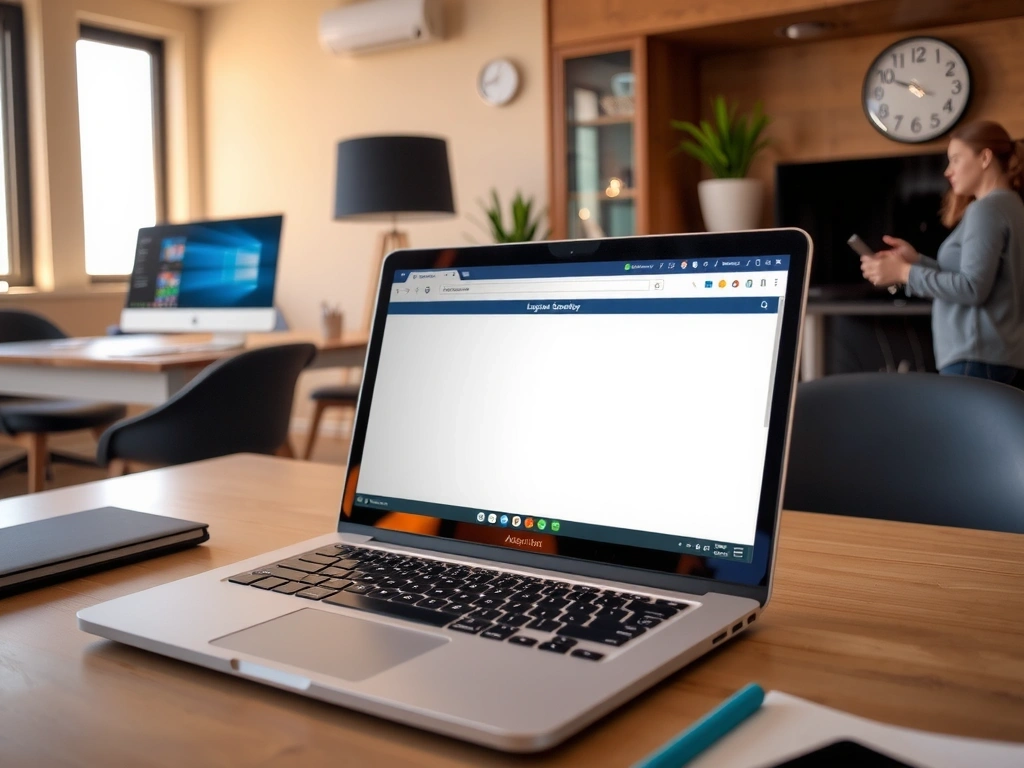
Anchored in Ankara, Designed for the World
Our studio is physically located in Ankara's Mustafa Kemal Mah., a hub of Turkey's dynamic tech scene. This isn't an accident. Being here gives us direct access to a vibrant ecosystem of startups, universities, and developers, often at a cost structure that makes our pricing competitive without compromising quality.
"Our Ankara roots mean we think about resilience and efficiency naturally. A website must work under any condition."
But we operate on a global-first workflow. All client communication, project documentation, and code repositories are in English. We use UTC+3 as our central time zone, but we schedule with respect for clients' local hours. We've delivered projects for clients in Berlin, London, and Dubai, proving our model bridges cultures and time zones effectively. Our location is not a limitation; it's a curated lens that brings a distinct, pragmatic perspective to international standards.
Visit Our Ankara StudioOur Practical Commitments
Principles are empty without action. These are the standards we hold ourselves to on every project.
Performance as a Standard, Not a Bonus
- We measure and target Core Web Vitals (Largest Contentful Paint, Interaction to Next Paint, Cumulative Layout Shift) from day one.
- We provide a pre-launch performance audit report with specific optimization recommendations.
- Default image loading is lazy, but critical above-the-fold assets are prioritized.
Accessibility by Design
- All interactive elements meet WCAG 2.1 AA standards for keyboard navigation and screen readers.
- We use semantic HTML and ARIA attributes where necessary, avoiding generic divs for interactivity.
- Color contrast is checked at every stage, ensuring readability for users with visual impairments.
Transparent Handoff & Education
- Final delivery includes a comprehensive documentation set: style guide, component library, maintenance checklist, and a video walkthrough of the CMS.
- We include a '30-Day Handoff Support' period where we answer questions and help with initial content population.
- We train your team on how to manage the site, ensuring long-term autonomy.
Questions We Encourage You to Ask
Whether you're a potential client or an investor, these questions will reveal our depth of thinking and operational maturity.
"What is your process for handling scope changes mid-project?"
We document all scope changes in a shared 'Decision Log' and re-estimate timelines/costs before proceeding. This avoids surprise invoices and keeps projects on track.
"Can you share a recent example of a technical trade-off you made?"
Absolutely. We can walk you through a recent project where we chose a lightweight SSG over a headless CMS, detailing the performance gains and the learning curve we mitigated for the client.
"How do you measure project success beyond launch?"
We offer a 6-month post-launch check-in to review analytics (Core Web Vitals, conversion paths) and suggest data-driven improvements.
"What does 'sustainable digital product' mean in your context?"
It means building with minimal tech debt, optimizing for energy efficiency, and creating systems that are easy to update, reducing the need for costly rebuilds every few years.
"How do you handle client communication across time zones?"
We centralize communication in project management tools (e.g., Notion, Asana) and set clear, UTC-anchored deadlines. Weekly sync calls are scheduled at times that respect your local working hours.
"What is included in your maintenance agreement?"
Our retainer covers security updates, minor content edits, performance monitoring, and a quarterly strategy call to discuss growth opportunities.
Ready to build something with intention?
Let's discuss your goals. We'll start with a clear-eyed assessment of your needs, not a sales pitch.
Dumlupınar Bulvarı, E-Blok
Kat:4 No:59, Çankaya/Ankara, Türkiye
9:00 - 18:00
(GMT +3)