Design that solves the business problem, not just the aesthetic one.
This portfolio isn't a gallery of pretty screens. It's a curated evidence file showing how we diagnose a client's specific friction, design a system to address it, and measure the outcome. Each case below includes the constraints we faced, the trade-offs we made, and the tangible result.
Explore Our Process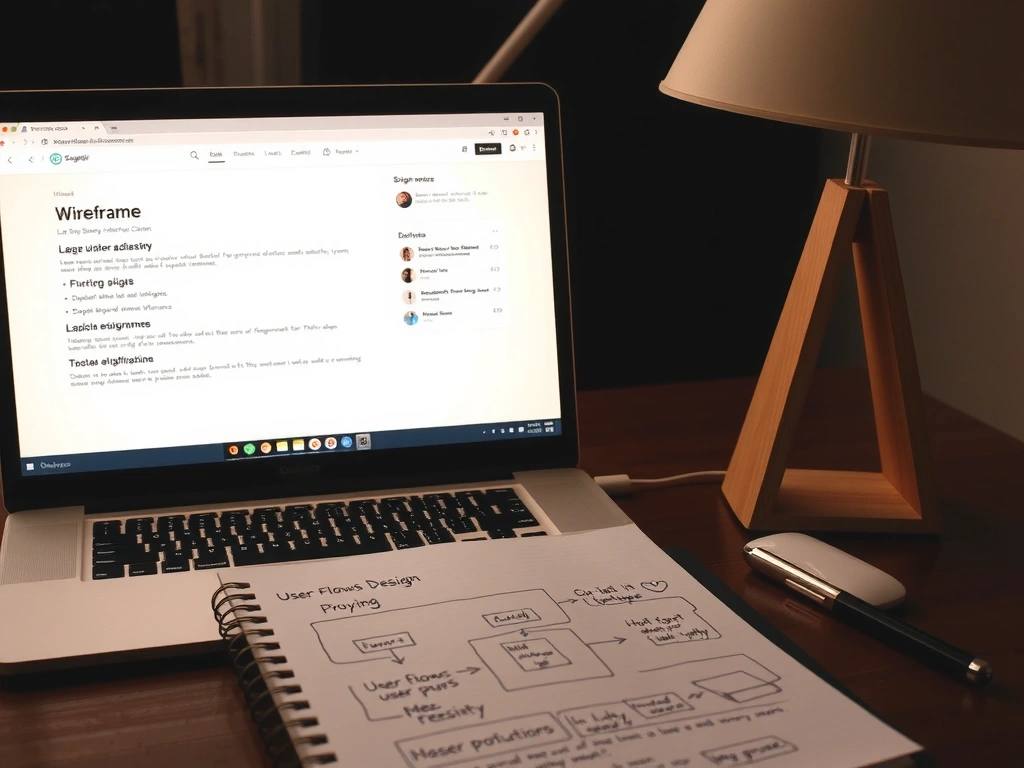
Selected Case Studies
A focused look at three distinct challenges and our structured response.
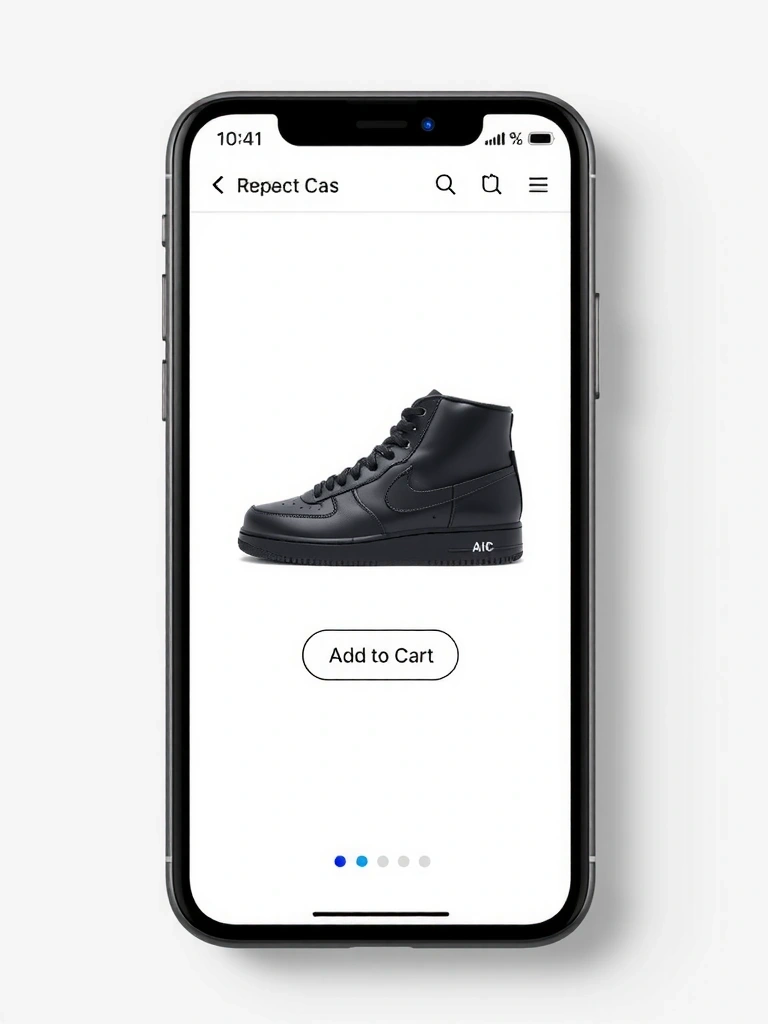
Aether: E-commerce Checkout Revamp
A premium skincare brand saw 70% cart abandonment on mobile. Our audit revealed a complex, multi-page checkout with unexpected fees. We consolidated to a single-page checkout with transparent pricing and clear progress indicators.
Key Constraint
Client required full compatibility with their legacy Magento backend. Solution was built as a headless layer over the existing system.
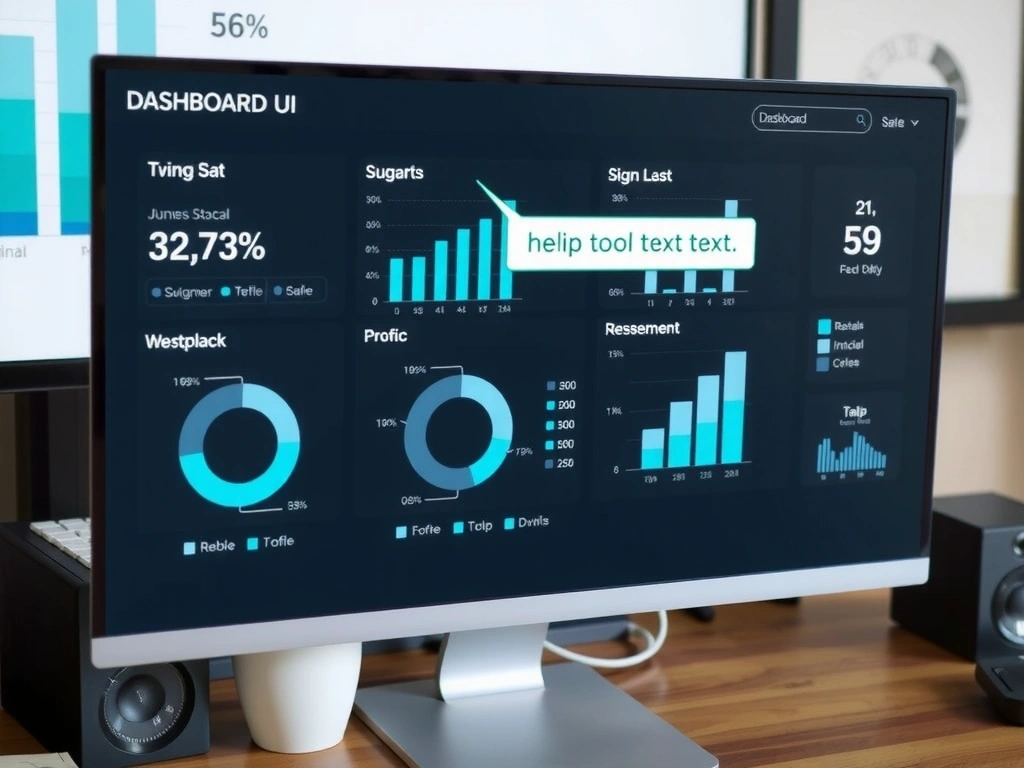
Nexus: SaaS Onboarding
New users were overwhelmed. We implemented progressive disclosure and contextual tooltips, guiding users to the key metric they needed first.
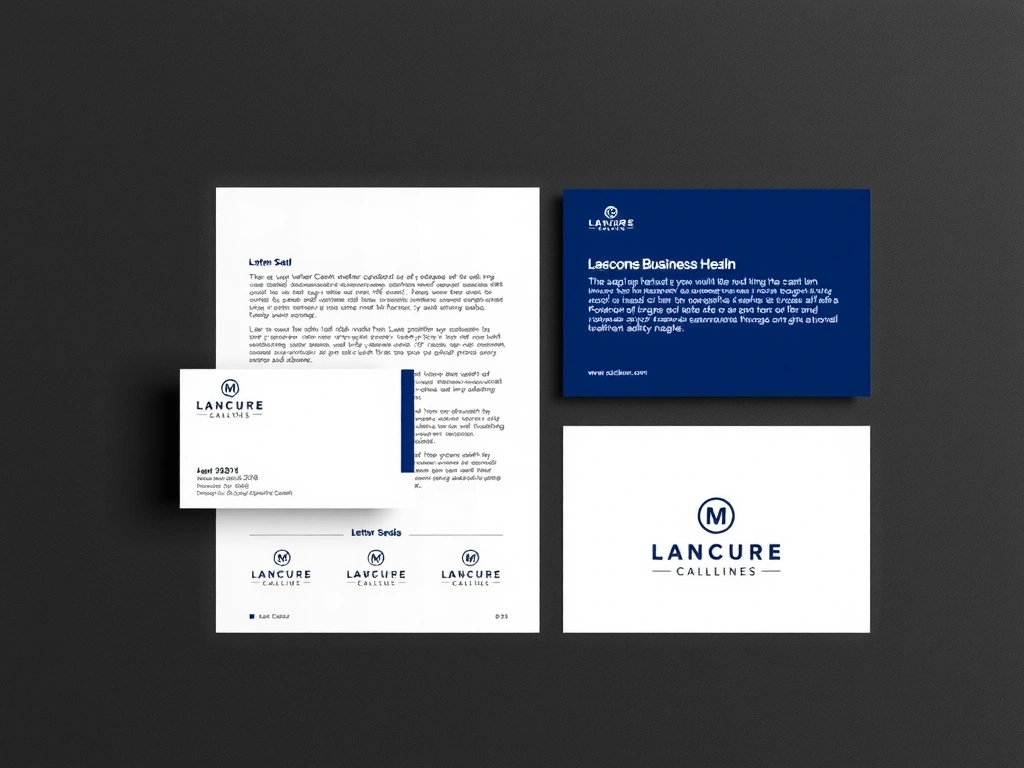
Loom: Modular Identity
A consulting firm had a fragmented digital presence. We built a dynamic logo and a component-based design system for 5 platforms.
Decision Framework
Every recommendation we make is filtered through these non-negotiables. If your project doesn't align with them, we'll tell you upfront.
Performance Budget
Target LCP under 2.5s. We often recommend static site generation or lean CMS architectures over heavy page builders. Trade-off: less flexibility in content entry for editors.
Content Feasibility
Designs must be populated by the client's team. If a complex animation relies on weekly video uploads, we'll downgrade it to a stable image carousel. Trade-off: visual excitement vs. operational reality.
Maintenance Horizon
We code for the 3-year maintenance cycle. Radical, trendy UI patterns that require heavy JS libraries often lose to accessible, CSS-native solutions over time.
Method Note: How We Evaluate Robustness
We don't use synthetic performance scores as our sole metric. We run a "Break the Design" audit: we test on slow 3G connections, block network requests to simulate failure, and use screen readers exclusively for one hour. A design that collapses in these conditions isn't robust. We document these failure modes for each client and propose fallback states.
- • Tested on real budget devices (older Androids, base-model iPads).
- • Accessibility audit for cognitive load, not just WCAG checkbox.
Glossary (with our opinion)
We don't just fix bugs; we diagnose the root cause of user frustration, often found in the first 3 clicks. It's less about aesthetics, more about misaligned user intent.
A hard limit on page weight and render time. We prefer this over "it looks fast on my laptop." It forces disciplined design decisions.
A living component library, not a static PDF. If it's not in code, it doesn't exist. It ensures consistency and faster iteration for the client post-launch.
When the Brief is "We Need a Website"
A SaaS startup came to us with this common, vague request. After a discovery call, we uncovered the real problem: their trial-to-paid conversion was stagnating at 5%. The website was a secondary goal; the user journey was the primary.
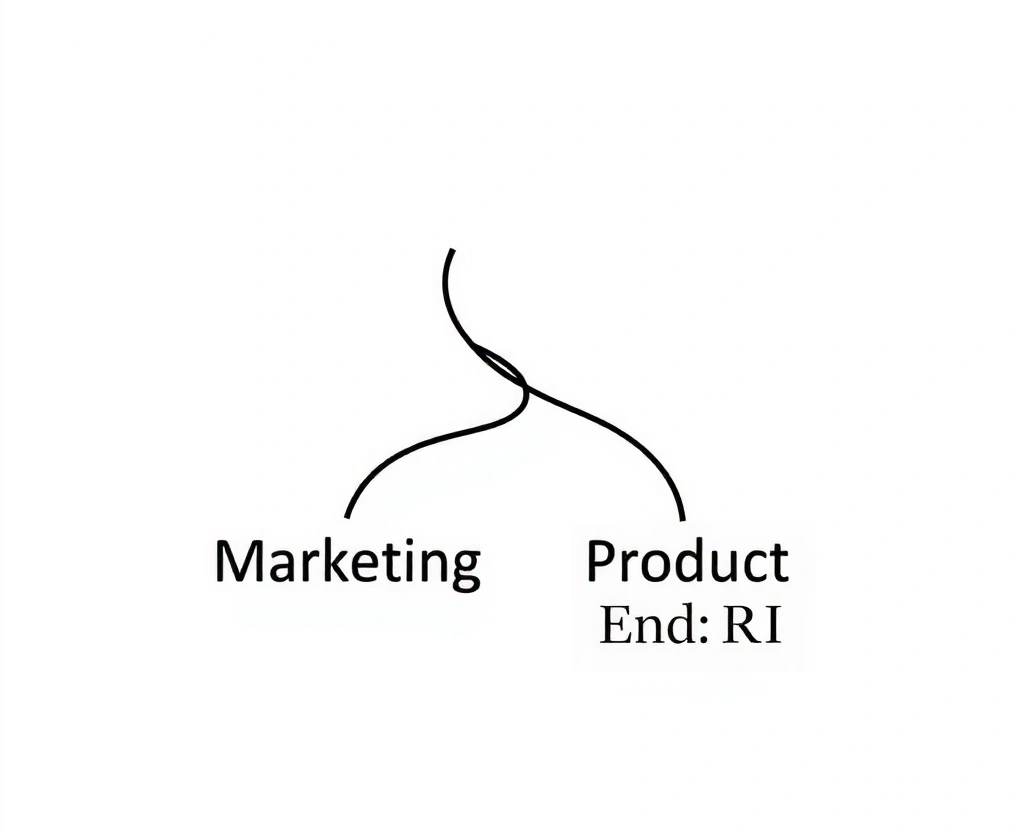
We paused the visual exploration. For two weeks, we mapped every touchpoint from first ad click to support ticket. The reveal wasn't a broken website—it was a disconnected funnel. The marketing site promised ease of use, but the trial experience was a technical deep-dive.
"Visexa didn't sell us a website. They sold us a path to get our product in front of the right users. The website came later, and it was built to support that path." — CEO, TechStart Inc.
The final deliverable was two-fold: a streamlined onboarding sequence for the trial product, and a marketing site whose copy and structure spoke directly to the pain points we identified. The new site didn't just look different—it communicated a completely different understanding of the customer.
The Insight
The most valuable design decisions came from mapping pain, not from color palettes.
Your Challenge Is Not Generic.
We design for specific problems within specific constraints. If your project has a clear business goal and an appetite for a disciplined, evidence-based process, let's talk.