A Transparent Blueprint for Digital Success
This isn’t a black box. It’s a documented methodology—where strategy, code, and launch are visible, predictable, and built around your actual constraints.
“Clarity in process creates trust before we write a line of code.”

Key Takeaway
Our process is fixed-price and milestone-based. You won’t see hourly estimates or vague timelines. Every deliverable—from the blueprint to the handover guide—is defined in a scope document before the project begins, preventing scope creep and aligning expectations from day one.
The Discovery & Strategy Blueprint
Translating business objectives into a technical roadmap before any production begins.
Before a single wireframe is drawn, we conduct a deep-dive discovery. This phase isn't about briefings; it's about interrogation. We map your internal KPIs against real user needs, identifying where business goals and user behavior intersect—and where they diverge.
Our technical audit is a forensic review of your existing stack. We look for migration risks, performance bottlenecks, and opportunities to refactor legacy code. This audit informs the scope lock: a fixed-price contract based on the blueprint ensures both parties understand the deliverables, timelines, and budget without ambiguity.
The outcome is not a mood board; it's a Scope Definition artifact—a document that becomes the single source of truth for the project. It defines user personas, technical requirements, success metrics, and the phased approach to execution.
What Changes the Recommendation
- • Legacy System Age: Systems over 8 years old often require a phased migration to avoid downtime. The blueprint may recommend a parallel build.
- • Third-Party Dependency: If your core process relies on a unique API or software, integration complexity can shift the budget allocation toward the Code & Integration phase.
- • In-House Team Capacity: We adjust the handover and training scope based on your team's existing technical proficiency.
Visual Syntax & Component Library
We build a scalable design system—not isolated pages—so your digital presence remains consistent and maintainable.
We construct buttons, forms, and cards as independent units that scale across your entire site without breaking the layout.
- Component states (hover, focus, disabled)
- Dark/light mode compatibility
- Documentation in Figma
Every contrast ratio, focus outline, and ARIA label is tested against WCAG 2.1 AA standards. We design for screen readers from day one.
- Keyboard navigation test
- Color contrast validation
- Screen reader compatibility
Starting with the smallest viewport forces essential content prioritization. Everything added for larger screens is an enhancement, not a requirement.
- Content hierarchy discipline
- Touch target minimum 44px
- Performance budget enforced
The 'No-Code' Handoff
You receive a fully annotated Figma file that functions as a living style guide. Your team can audit future designs, ensuring brand consistency long after our engagement ends.
Decision: Custom vs. Component Library
We recommend custom components when brand identity is paramount. If time-to-market is critical, we adapt existing libraries (e.g., Tailwind UI) with minimal customization.
The Code & Integration Phase
This is where the blueprint becomes executable. We work in a staged environment, pushing code to a private staging server for your review. Nothing goes public until you've signed off on the staging build.
Our Staging Workflow
- Initial Build: Core functionality deployed to staging.
- Client Review: You test and provide feedback via a shared tracker.
- Iteration: We implement approved changes and document them.
- Final Approval: Staging becomes a frozen snapshot of the production build.
Integration is where complexity often resides. We handle API connections to payment gateways, CRMs, or inventory systems. Crucially, we enforce a performance budget. Page load speeds are capped at 2 seconds. If code bloats, we refactor—no exceptions.
Scenario: The Legacy E-commerce Migration
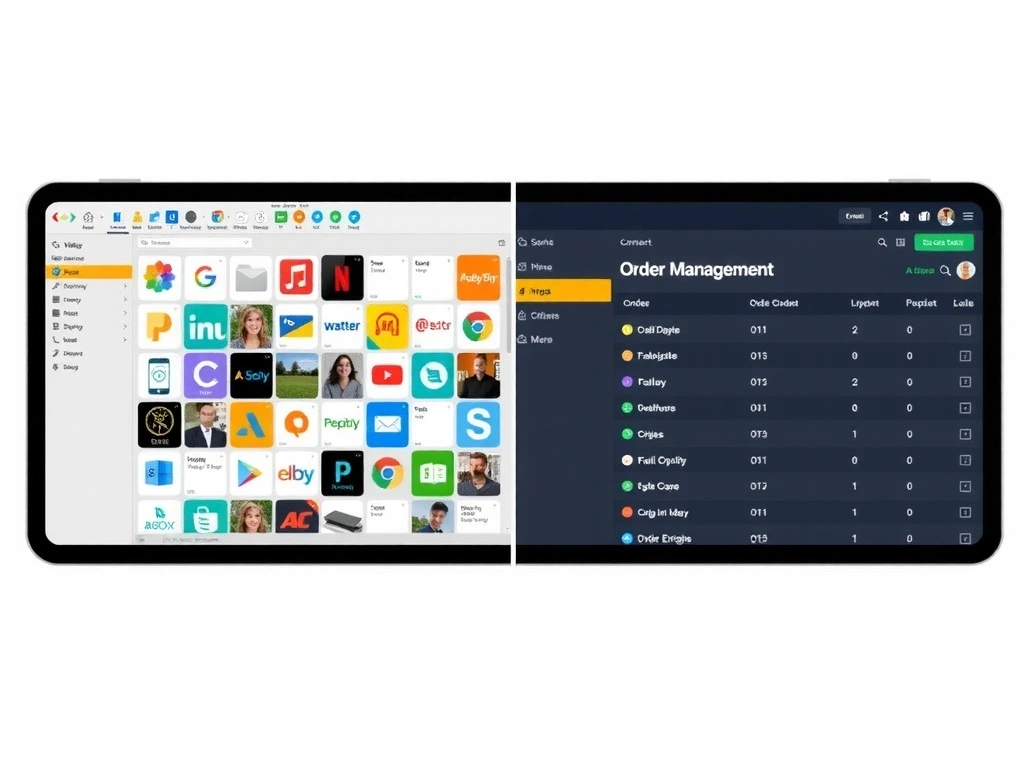
A B2B supplier with a 10-year-old inventory system needed a modern storefront. The initial ask was a simple "website redesign." Our discovery revealed the core product database was unstable, causing frequent order errors.
The Constraint: The legacy database couldn't handle real-time stock updates via API without downtime. The Trade-off: We proposed a phased launch: a new front-end with a read-only API connection first, followed by a parallel database migration over six weeks. This ensured immediate business continuity while building toward a fully integrated system.
—Anonymized Case Study, Manufacturing Sector
Common Pitfalls & How We Navigate Them
Scope Creep
Client requests "just one more feature" mid-project. This often breaks the timeline and budget.
Our Fix:
All requests are logged and quoted via a formal change order. We protect the original budget while providing clear options for the new requirement.
Delayed Feedback
Client teams get busy. Feedback loops stretch from days to weeks, causing project momentum to stall.
Our Fix:
We establish a 48-hour feedback SLA in the contract. For urgent reviews, we schedule a live walkthrough session to get real-time decisions.
Post-Launch Ghosting
You're left alone after launch with no documentation or support, leading to frustration and broken functionality.
Our Fix:
The 30-day warranty covers structural bugs. We also provide a handover guide and offer a retainer option for ongoing updates and support.

Launch, Training & Our Handover
The work doesn't end when we hit "publish." We manage the Go-Live Window—a 24-hour monitoring period where we stand ready to fix any edge-case bugs that surface under real traffic. This isn't a panic mode; it's a standard operational procedure.
Empowerment is the goal. You receive a recorded admin training session walking through how to update content, manage users, and troubleshoot common issues. We also handle the technical SEO setup: manually submitting your sitemap and verifying tracking pixels with analytics platforms.
Finally, our 30-Day Warranty covers any structural issues arising from the launch—fixes, updates, or unexpected bugs are on us. It’s our commitment to a stable handover.
Where to Start
Reviewing our portfolio can give you a sense of our style. If you're ready for a detailed conversation about your project, contact us to schedule a discovery call.
Ready to define your project blueprint?
The first step is a free discovery call. We’ll discuss your goals, constraints, and map out a potential scope.
Start the ConversationMon-Fri: 9:00-18:00 (Ankara, TR)